

TL;DR Penetration Testing
- Penetration testing is a controlled, authorized simulation of real attacks that helps you uncover and validate exploitable security gaps across networks, applications, cloud environments, and people.
- Unlike vulnerability scanning, a pen test proves impact by showing how weaknesses can be used in realistic attack paths, helping you prioritize fixes with confidence.
- A strong pen test starts with clear scoping and rules of engagement, then delivers an actionable report with risk-ranked findings, remediation guidance, and retesting to confirm fixes.
- For best results, run penetration testing on a regular cadence and after major changes, such as new systems, migrations, or significant updates.
Weekly cyberattacks per organization reached 1,308 on average in the first quarter of 2024 – a 28% increase from the last quarter of 2023.1 One powerful tool to defend against these increasingly sophisticated threats is penetration testing. But what exactly is penetration testing, and why is it so important for your business? Let’s dive in and explore this essential cybersecurity practice.
What Is Penetration Testing In Cybersecurity?
A penetration test, often called a pen test, is a controlled simulation of a cyber attack on your business’s computer systems, networks, and applications. The goal is to find and fix vulnerabilities before malicious hackers can exploit them.
Think of it as hiring a “white hat” hacker to break into your systems. These ethical hackers use the same tools and techniques as bad actors, but with your permission and for your benefit. By mimicking the tactics and techniques of potential attackers, penetration testing gives you a realistic picture of your organization’s security strengths and weaknesses.
Vulnerability Assessment & Penetration Testing: What’s The Difference?
It’s easy to mix up penetration testing with vulnerability scanning. Both help you find security weaknesses, but they answer different questions.
Vulnerability Scanning Finds Issues Broadly
Vulnerability scanning uses automated tools to identify known weaknesses across a wide set of systems. It’s a great way to spot common problems quickly, such as missing patches, exposed services, or risky configurations.
The tradeoff is that scans don’t always prove real-world impact. They can also generate false positives, and they typically won’t show how multiple small issues might be chained together into a serious breach.
Penetration Testing Proves What An Attacker Can Actually Do
Penetration testing goes deeper. When testers find weaknesses, they attempt controlled exploitation to show what’s truly possible in a realistic attack scenario. That validation is what turns a “potential issue” into a clear business risk.
This is also why penetration testing tends to uncover problems that routine scanning can miss, especially when human creativity and context are required.
When You Need One vs When You Need Both
Most organizations benefit from using both approaches:
Use Vulnerability Scanning When You Want Ongoing Hygiene
If your goal is frequent visibility into common weaknesses, scanning helps you monitor a broad environment more often.
Use Penetration Testing When You Need Proof & Prioritization
If your goal is to understand real attack paths, validate exploitability, and prioritize fixes with confidence, a pen test delivers that depth.
Use Both When Security & Compliance Matter
In many environments, the best strategy is scanning for continuous coverage, plus penetration testing on a schedule and after meaningful changes.
Common Penetration Testing Vulnerabilities
Penetration testing often surfaces the same “usual suspects” across networks, apps, and cloud environments. Knowing what these look like ahead of time helps you fix faster and get more value from the test results.
Weak or Reused Passwords
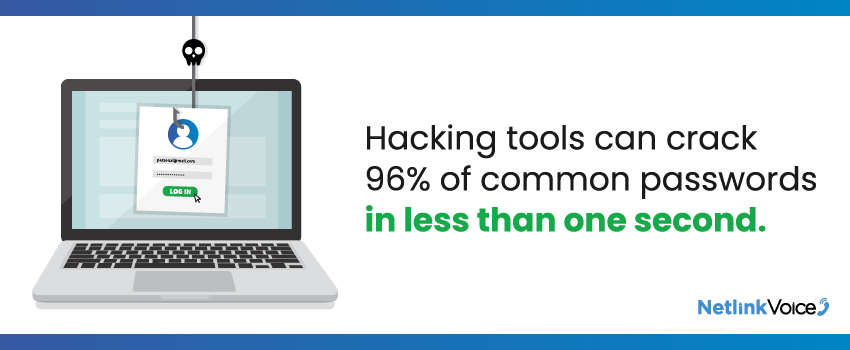
Default credentials, short passwords, and reused logins still show up in real environments, and attackers know it. Modern cracking estimates show that short, simple passwords can be brute-forced extremely quickly, especially if they’re based on common patterns. The practical takeaway is simple: prioritize long, unique passwords and enforce MFA anywhere you can.
Outdated or Unpatched Software
Unpatched operating systems, apps, plugins, and device firmware routinely expose known vulnerabilities that attackers can exploit with “off-the-shelf” tooling. Pen tests frequently confirm what patch dashboards miss: forgotten services, stale internet-facing software, and dependencies that never got updated because “they’ve always worked.”
Misconfigured Systems & Security Controls
Misconfigurations are one of the fastest ways to turn “good tools” into weak defenses, especially with firewalls, identity settings, cloud storage permissions, and exposed admin interfaces. Pen testers look for open ports that shouldn’t be public, overly permissive rules, and settings that create unintended access paths.
Insufficient Access Controls & Excessive Privileges
Over-broad permissions (and accounts that should have been removed) make it easier for an attacker to escalate privileges and move laterally once they get a foothold. Pen tests commonly uncover shared accounts, weak role-based access control, and missing “least privilege” safeguards that leave sensitive systems unnecessarily exposed.
Insecure APIs
APIs are a frequent target because they sit directly on business logic and data. Recent research shows a meaningful share of organizations reporting API security incidents in the past year, and many more experiencing API security problems in production overall. Pen tests often uncover weak authentication, excessive data exposure, broken object-level authorization, and missing rate limits.
Social Engineering Vulnerabilities
Even strong technical controls can be undermined by a well-crafted phishing email or a convincing pretext. Social engineering tests reveal where policies and real-world behavior don’t match, like password sharing, MFA fatigue, poor verification steps, or “helpful” employees who unintentionally give attackers what they need.
4 Key Benefits Of Penetration Testing
Penetration testing offers several benefits that make it indispensable for any comprehensive cybersecurity strategy. Regularly performing pen testing can help your security teams:
Identify Hidden Vulnerabilities
Penetration testing uncovers security weaknesses that might be missed during regular assessments. While automated scans and routine security checks are important, they often can’t identify complex vulnerabilities that require human insight.
Penetration testers use their expertise and creativity to find hidden flaws in your systems, mimicking the techniques of real-world attackers. This process can reveal subtle vulnerabilities that might otherwise go unnoticed until exploited by a malicious actor.
Meet Compliance Requirements
Many industry regulations require regular penetration testing to ensure data protection. For example, the Payment Card Industry Data Security Standard (PCI DSS) calls for annual penetration testing for organizations that handle credit card data. By conducting penetration tests, you can demonstrate due diligence and compliance with these industry standards, potentially avoiding hefty fines and legal issues.
Protect Your Reputation
Proactively finding and fixing vulnerabilities can prevent breaches that could damage your company’s reputation. News of a security breach often spreads quickly, resulting in eroded customer trust and financial losses.
Investing in penetration testing demonstrates a commitment to security that can enhance your reputation. In the event of an attempted attack, the measures you’ve put in place as a result of penetration testing could be the difference between a minor incident and a major breach.
Provide A Reality Check
Penetration testing gives you a clear, unbiased view of your current security status. It’s easy to become complacent or overconfident about your security measures, especially if you haven’t experienced a breach.
Penetration testing serves as a wake-up call, providing concrete evidence of your security strengths and weaknesses. This reality check can be invaluable in securing buy-in from management for necessary security investments and in fostering a culture of security awareness across your organization.
Each type of penetration testing focuses on different aspects of your digital infrastructure. Understanding these can help you choose the best approach for your company’s specific needs.
The 4 Types Of Penetration Testing
Network Penetration Testing
Network penetration testing targets network infrastructure, including servers, firewalls, and routers, to help uncover weaknesses that could allow unauthorized access to your network.
Testers might attempt to exploit vulnerabilities in network protocols, misconfigured devices, or outdated software. They may also try to bypass firewalls, escalate privileges, or move laterally within the network. The goal is to identify any entry points that a bad actor could use to breach your network defenses.

Web Application Penetration Testing
Web application testing looks for issues like SQL injection, cross-site scripting (XSS), broken authentication, and other vulnerabilities that could compromise the security of your web-based apps.
Testers will scrutinize your application’s input validation, session management, and data handling processes. They may attempt to manipulate parameters, inject malicious code, or exploit logic flaws in the application. This type of testing is crucial in today’s landscape, where web applications often serve as the primary interface between businesses and their customers.
Social Engineering Penetration Testing
68% of breaches in 2023 involved a non-malicious human action, making social engineering pen tests essential for businesses of all sizes.
Social engineering tests assess the human element of your security infrastructure, which may involve attempts to trick your staff into revealing sensitive information or performing actions that could compromise security. Testers might use phishing emails, pretexting (creating a fabricated scenario), baiting, or even physical impersonation to test how well your staff follows security policies.
Cloud Penetration Testing
Cloud penetration testing has become increasingly important as more businesses move to the cloud. This type of testing checks for vulnerabilities in your cloud-based assets and services.
Testers might attempt to exploit misconfigurations in cloud services, weak access controls, or vulnerabilities in the cloud provider’s infrastructure. They may also test for data leakage or unauthorized access between different cloud environments.
How Penetration Testing Is Scoped
A strong penetration test starts with a clear scope. That scope defines what will be tested, how the testing will be performed, and what “success” looks like.
Internal vs External Penetration Testing
These terms describe where the simulated attack begins.
External Penetration Testing
External tests simulate a threat coming from outside your organization. The focus is typically on internet-facing assets, such as websites, portals, VPNs, and exposed services. The goal is to find ways an attacker could gain an initial foothold.
Internal Penetration Testing
Internal tests simulate an attacker who is already inside, such as a malicious insider or a threat actor using stolen credentials. These tests focus on lateral movement, privilege escalation, and access to sensitive systems once perimeter defenses are bypassed.
Black Box, Gray Box & White Box Testing
These terms describe how much information the tester receives before testing begins.
Black Box Testing
The tester starts with little to no internal knowledge. This can mimic an outside attacker’s experience, but it may take longer because more time is spent on discovery.
Gray Box Testing
The tester receives limited access or limited context, such as a standard user account or partial architecture details. This often balances realism with efficiency.
White Box Testing
The tester receives deep visibility, such as architecture documentation or configuration details. This approach can uncover more issues faster, especially in complex environments.
What a Good Scope Document Includes
The scope should be written down and agreed on before testing starts. At a minimum, it should clarify:
- Which systems and environments are in scope (and out of scope)
- Timing windows to reduce business disruption
- What techniques are allowed (and which are off-limits)
- How sensitive data will be handled
- Who to contact if the test triggers alerts or stability issues
That clarity protects your systems, your people, and the value of the results.
What Is The Penetration Testing Methodology?
Pen testing follows a defined methodology so you get a thorough, repeatable assessment, not a quick “scan-and-go.” While the exact workflow varies by scope (network, web app, cloud), most penetration testing processes move through the same core steps.
Step 1: Pre-Engagement & Scoping
Everything starts with clear boundaries: what’s in scope, what’s out, success criteria, timelines, and rules of engagement. This step is also where you align on testing approach (black box, gray box, white box) and ensure business operations stay protected throughout the engagement.
Step 2: Reconnaissance & Information Gathering
Next, testers map the environment to understand how your systems are exposed and where realistic entry points exist. Depending on scope, that can include reviewing public-facing information and enumerating services and endpoints relevant to the assessment.
Step 3: Scanning & Vulnerability Analysis
With a clearer view of the target, testers use tooling and manual techniques to identify weaknesses such as exposed ports, outdated services, misconfigurations, and application flaws. This phase typically combines automated findings with human validation to reduce false positives and focus on what actually matters.
Step 4: Exploitation & Controlled Attack Simulation
Here’s where the test becomes a true “reality check.” Testers attempt to safely exploit validated weaknesses to demonstrate what an attacker could access, how far they could move, and what the business impact could be. Importantly, this phase is controlled and governed by the rules of engagement.
Step 5: Post-Exploitation & Impact Confirmation
If access is obtained, the focus shifts to confirming impact, privilege escalation paths, and exposure risk (for example, whether sensitive data could be accessed or whether lateral movement is possible). Good penetration testing is iterative, often looping back to discovery as new information is uncovered.
Step 6: Reporting & Remediation Guidance
Finally, you receive a report that documents what was found, how it was validated, and why it matters. The most useful reports prioritize fixes, explain risk in business terms, and provide actionable remediation guidance your technical team can implement and verify.
Rules Of Engagement, Authorization & Safe Testing
Penetration testing is a controlled simulation, but it still involves real systems. That’s why professional testing is anchored in clear authorization and safety controls.
Written Authorization Is Non-Negotiable
A penetration test should always be performed with explicit written permission. This authorization defines the scope and prevents the engagement from crossing legal or contractual boundaries.
Rules Of Engagement Keep The Test Safe
Rules of engagement (often called ROE) are the guardrails for testing. They help ensure the test is thorough without creating unnecessary risk to business operations.
Operational Safety Controls
Safe testing often includes agreed testing windows, rate limits, and clear “stop” procedures if a system becomes unstable. In some environments, certain techniques may be restricted to avoid downtime.
Third-Party & Cloud Considerations
If testing touches vendor systems, partner networks, or cloud services, additional permissions may be required. Even when your intent is defensive, testing beyond authorized boundaries can create legal exposure or violate service agreements.
Data Handling & Confidentiality
Pen tests may expose sensitive data during exploitation. A professional engagement defines how data is stored, who can access it, and how it will be handled after the final report is delivered.

What Happens After The Test: Reporting, Fixes & Retesting
The test itself is only half the value. The real payoff comes from what you do with the findings.
What A Strong Penetration Test Report Includes
A useful report should make the results clear for both leadership and technical teams.
Executive-Level Summary
This explains what was tested, what was found, and what the biggest risks mean for the business.
Technical Findings With Proof
This includes the vulnerabilities discovered, evidence of exploitation where applicable, affected systems, and why the issue matters in real-world terms.
Prioritized Remediation Guidance
The best reports don’t just list issues. They help you prioritize fixes based on severity, exploitability, and exposure.
Retesting Confirms The Problem Is Actually Fixed
After remediation, retesting validates that vulnerabilities are closed and that fixes didn’t introduce new security gaps. This closes the loop and helps demonstrate measurable improvement over time.
How Often Should Penetration Testing Be Done?
A practical rule is: test on a schedule, and test after meaningful change.
Many compliance programs and security standards expect penetration testing at least annually and after significant changes that could impact security. For example, PCI guidance calls for testing at least annually and after significant changes in relevant environments.
Even outside compliance, you should strongly consider a new test after events like:
- Major infrastructure changes
- Cloud migrations
- New applications or major releases
- Major authentication, access-control, or network segmentation changes
How To Choose A Penetration Testing Provider: 6 Essential Tips
Selecting the right penetration testing provider is a must to ensure you receive accurate and actionable results. Here are some factors to consider:
1. Experience & Expertise
Don’t hesitate to ask about your provider’s qualifications, certifications, and years of experience in penetration testing. A provider with diverse expertise can offer insights that go beyond just identifying vulnerabilities to help you understand the broader implications for your business.
2. Comprehensive Services
Your provider’s penetration testing services should cover every aspect of your IT environment, including your network infrastructure, web applications, mobile apps, and cloud tools. They should also be familiar with threats targeting emerging technologies, such as IoT devices or AI-powered systems.
3. Clear Reporting
The provider should deliver clear, detailed reports with actionable recommendations. A penetration testing report should not only list the vulnerabilities found but also explain their potential impact on your business in non-technical terms. Look for providers who offer executive summaries for management as well as detailed technical reports for your IT team.
4. Ongoing Support
Choose a provider that offers support for remediation and ongoing security improvements. Some providers also offer continuous monitoring services or periodic check-ins to help you stay on top of your security posture between full penetration tests.
5. Customization & Flexibility
A good provider should be willing to tailor their penetration testing approach to your unique requirements. This might involve focusing on particular areas of concern, working within specific time windows to minimize disruption to your operations, or adapting their methodology to align with your risk management framework.
6. Communication & Collaboration
Effective communication is crucial throughout the penetration testing process. Choose a provider that emphasizes clear, timely communication and is willing to work closely with your team. A collaborative approach ensures that the penetration test aligns with your objectives and that you get maximum value from the engagement.
Penetration Testing FAQs
What Is Penetration Testing?
Penetration testing is a controlled simulation of a cyberattack designed to uncover vulnerabilities in your systems, applications, and networks. Unlike a simple scan, it aims to validate real-world impact by showing what an attacker could actually exploit under defined rules and authorization.
How To Do Penetration Testing?
A professional penetration test typically follows a structured approach: scoping and authorization, reconnaissance, scanning and discovery, controlled exploitation, and reporting with remediation guidance. Because this process can affect production systems if handled poorly, it should be performed by qualified testers under clear rules of engagement and written permission.
What Is Penetration Testing In Software Testing?
In software testing, penetration testing is a security-focused test that evaluates whether a software application can be exploited in realistic attack scenarios. It often complements secure development practices by validating security controls, authentication, and input handling in ways that reflect how real attackers target apps. Many teams also reference OWASP guidance and testing frameworks to structure application security testing.
How Much Does Penetration Testing Cost?
Penetration testing costs vary widely based on scope and complexity. Many engagements fall in the range of a few thousand to tens of thousands of dollars, and larger or highly regulated environments can be more. Key cost drivers include the number of targets, complexity of authentication and user roles, whether it’s internal vs. external testing, and whether retesting is included.
Why Is Penetration Testing Important?
Penetration testing helps you identify weaknesses before attackers do, prioritize fixes based on real exploitability, and validate whether your current security controls can withstand realistic threats. It also supports security governance by translating technical gaps into business risk and actionable remediation steps.
What Is The Difference Between Vulnerability Assessment And Penetration Testing?
A vulnerability assessment is typically a broad, recurring review that identifies and prioritizes known weaknesses. Penetration testing goes further by attempting controlled exploitation to prove impact and demonstrate realistic attack paths. Many organizations use both, since they answer different questions and together provide stronger coverage.
How Often Should Penetration Testing Be Done?
Most organizations benefit from penetration testing on a regular cadence and after major changes. In compliance-driven environments, testing is commonly expected at least annually and after significant changes that could affect security. Your ideal frequency depends on risk, how fast your environment changes, and whether you’re releasing new systems or features frequently.
Why Partner With Netlink Voice For Penetration Testing
Penetration testing is more than just a security measure; it’s a proactive strategy that can save your business from potentially devastating cyber attacks. By simulating real-world threats, penetration testing helps you identify and address vulnerabilities in your critical systems before malicious actors can exploit them and wreak havoc.
Netlink Voice offers comprehensive cybersecurity solutions, including penetration testing, to protect your business from advanced threats. Our skilled professionals will help ensure your network, data, and customers are secure – and stay that way. Ready to strengthen your cybersecurity defenses? Contact us today to get started.
Sources: