

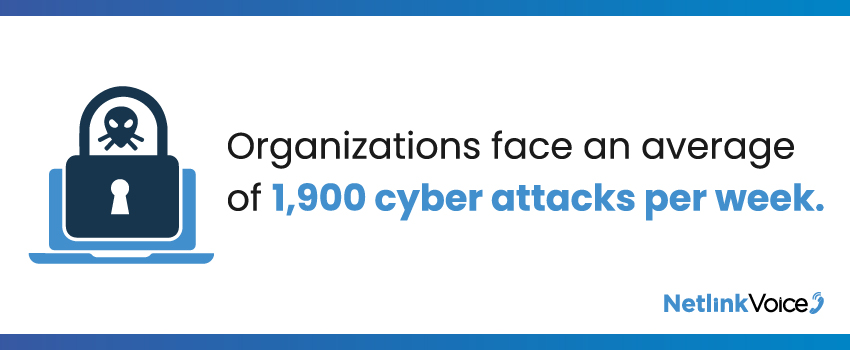
Cyberattacks are no longer a question of if they’ll happen to you but when. A recent report by Check Point revealed that organizations face an average of 1,900 cyber attacks per week, with ransomware increasing by 46% from 2024.1 Whether you run a small business or an enterprise, understanding your vulnerabilities is the first step to building a stronger defense against the inevitable.
That’s where a cybersecurity risk assessment comes in. It gives you a clear picture of your actual security posture, shows you where attackers are most likely to strike, and helps you prioritize fixes in a way that makes sense for your business.
In this blog, we’ll explain what goes into a cyber risk assessment, how to conduct one for your business, and best practices you can follow to get results.
What Is A Cybersecurity Risk Assessment?
A cybersecurity risk assessment is a process that helps you find and evaluate threats to your organization’s digital assets. Its goal is to help IT teams determine how likely a threat is to exploit a vulnerability – and what the impact to your operations would be if it did.
In simple terms, a cybersecurity assessment aims to answer three important questions:
- What do we need to protect?
- What are the threats to those assets?
- How well are we protected against them today?
Once you’ve answered these, you’ll be in a better position to make smart decisions about your security investments, policies, and tools.
If you’re not sure where to start, Netlink Voice has you covered. Our experts help businesses improve their cybersecurity posture by identifying risks before they become breaches.
Key Components Of A Cyber Risk Assessment
A thorough IT risk assessment should include the following elements:
Asset Inventory
You can’t secure what you don’t know exists, so start by documenting your digital assets. This means identifying and recording all servers, workstations, cloud apps, endpoints, network devices, and data repositories across your IT environment.
Threat Identification
Determine the potential threats to your assets, such as:
- Malware or ransomware attacks
- Phishing attempts
- Insider threats
- DDoS attacks
- System misconfigurations
- Data leaks or loss
Different threats require different protections, so identify which are most likely to affect your business and plan accordingly.
Vulnerability Analysis
After you’ve determined your organization’s top threats, you can use scanning tools and manual checks to uncover weaknesses in your environment – unpatched software, weak passwords, or open ports, for example.
Risk Scoring
Not every risk would impact your operations equally. For each threat, assess how likely it is to happen and the damage it could cause so that you know what to prioritize.
Remediation Plan
After you’ve ranked the risks, you can develop a plan for how to fix or reduce them. This might mean:
- Updating firewall rules
- Patching known vulnerabilities
- Improving access controls
- Enabling multi-factor authentication (MFA)
Ultimately, your remediation plan should outline the most effective ways to close gaps in your security without disrupting operations.
Does Your Business Need A Cybersecurity Assessment?
Yes – and sooner is better than later. Every business has cybersecurity vulnerabilities, even if you haven’t had a breach yet. Waiting until an attacker strikes can end up costing more in downtime, lost data, and reputational damage.
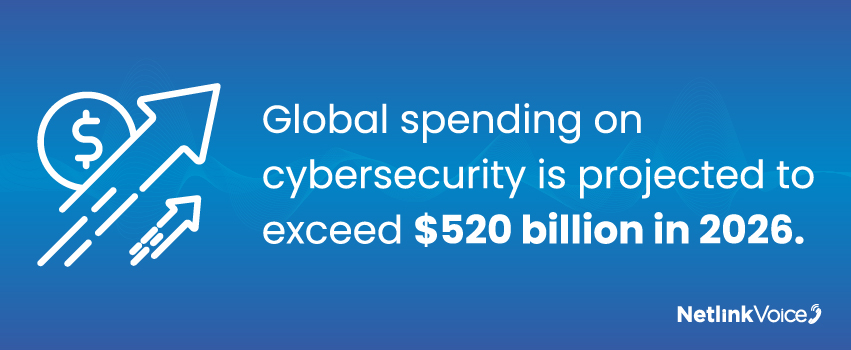
However, it’s important that you understand exactly what you’re protecting and what you need to defend against. Analysts predict that global spending on cybersecurity will exceed $520 billion in 2026.2 A cybersecurity risk assessment can provide the visibility you need to make smarter security investments, along with:
- Risk Insights: Get comprehensive data on the threats that matter most to your specific business and operational needs.
- Compliance Alignment: Meet regulatory standards like HIPAA and PCI DSS with confidence.
- Actionable Fixes: Developing a remediation plan gives you clear steps to strengthen your security posture.
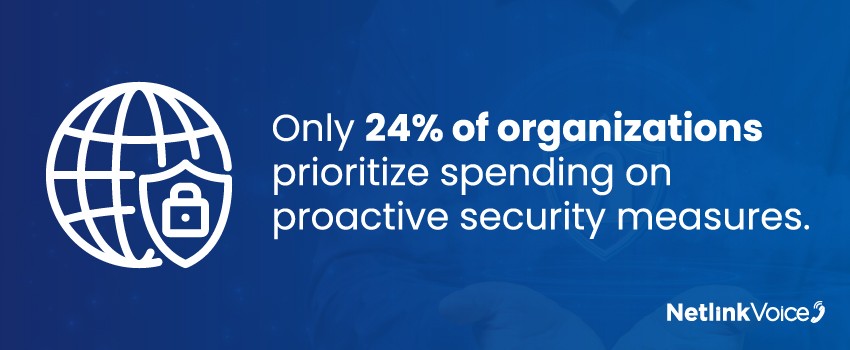
At Netlink Voice, we see too many companies take a reactive approach to security. PWC’s 2026 Global Digital Trust Insights found that 67% of organizations spend equally on proactive and reactive cybersecurity solutions, while only 24% prioritize spending on proactive measures.3 A cyber risk assessment flips that model, helping you get ahead of threats instead of addressing them after they happen.
How To Perform A Cybersecurity Risk Assessment
Here’s what an IT security assessment usually looks like, whether you’re doing it in-house or with a partner:
Step 1: Define Scope & Objectives
Determine which of your systems, networks, and data will be included in the assessment. Will you include your whole organization, or just high-risk areas like customer data or financial systems?
Step 2: Gather Information
Use questionnaires, interviews, network scans, and audits to collect the necessary data about your existing environment, from firewall rules and software versions to employee access levels and vendor tools.
Step 3: Identify Threats & Vulnerabilities
Look at each of your assets and ask, “What could go wrong here?” Match those risks to known threat types and use tools to identify specific vulnerabilities.

Step 4: Score Your Risks
Use a risk framework like NIST SP 800-30 or ISO 27005 to sort issues based on how likely they are and how harmful they would be for your business. This helps you focus on the areas that need attention first.
Step 5: Develop Mitigation Plans
Work with stakeholders to decide which risks to accept, avoid, transfer, or reduce. Then outline the steps needed to act on that decision.
Step 6: Document & Report
Summarize your findings in a clear report that includes:
- Vulnerability summaries
- Recommended improvements
- A timeline for remediation
Netlink Voice combines automated tools with expert analysis, so you can have peace of mind that none of these steps are missed when assessing your cybersecurity.
Best Practices For A Better IT Risk Assessment
Ready to improve your cybersecurity with a cyber risk assessment? Here are some tips to help you get started:
Involve Stakeholders
Cybersecurity affects your entire business, not just the tech side. Bring in IT, compliance, executive leadership, and even third-party vendors to get a variety of insights from those involved.
Use A Recognized Framework
Align your assessment with industry standards like the NIST Cybersecurity Framework, CIS Controls, or ISO 27001. These frameworks can help you ensure thoroughness and compliance while testing your environment.
Think Beyond Technology
Your processes and people play just as big a role in risk as software and hardware, so make sure to review training, policies, and access control during your assessment.
Focus On Business Impact
Not every threat deserves your full attention right now. Focus first on the risks that pose the greatest threat to your business operations or regulatory standing, not just the most common technical issues.
Treat It As An Ongoing Process
A one-time check isn’t enough these days. Make risk assessments a regular part of your security cycle by performing them at least once a year and anytime your systems or tools change.
Strengthen Your Cybersecurity Strategy With Netlink Voice
A strong cybersecurity strategy starts with knowing where you stand. Whether you need a full cybersecurity risk assessment, guidance on compliance, or help building a response plan, Netlink Voice is here to support you every step of the way.
We offer cybersecurity services that help you:
- Conduct IT risk assessments, including penetration testing
- Identify and prioritize threats across your network
- Develop and implement mitigation strategies
- Stay ahead of new compliance requirements and threats
Our approach combines technical expertise with a real-world understanding of how businesses operate, so you get insights that actually move the needle.
Let’s talk about protecting your business – before a breach forces your hand. Contact Netlink Voice today to schedule your risk assessment!
Sources:
- https://blog.checkpoint.com/security/global-cyber-threats-september-2025-attack-volumes-ease-slightly-but-genai-risks-intensify-as-ransomware-surges-46
- https://cybersecurityventures.com/official-2026-cybersecurity-market-report-predictions-and-statistics
- https://www.pwc.com/us/en/services/consulting/cybersecurity-risk-regulatory/library/global-digital-trust-insights.html